
Encryption is only as strong as the protection of its keys
You can encrypt everything — databases, backups, communications, application secrets — and still be completely exposed if the keys used to encrypt them are stored insecurely. An attacker who compromises a server and finds the encryption keys in software has effectively bypassed all your cryptographic controls.
Hardware Security Modules solve this problem at the root. By generating, storing, and using cryptographic keys exclusively within certified, tamper-resistant hardware, HSMs ensure that keys can never be extracted — even by an attacker with full administrative access to the surrounding systems. Nomios helps organisations select, deploy, and operate HSM infrastructure that provides genuine cryptographic assurance.
A vault for your keys — that no one can break into.
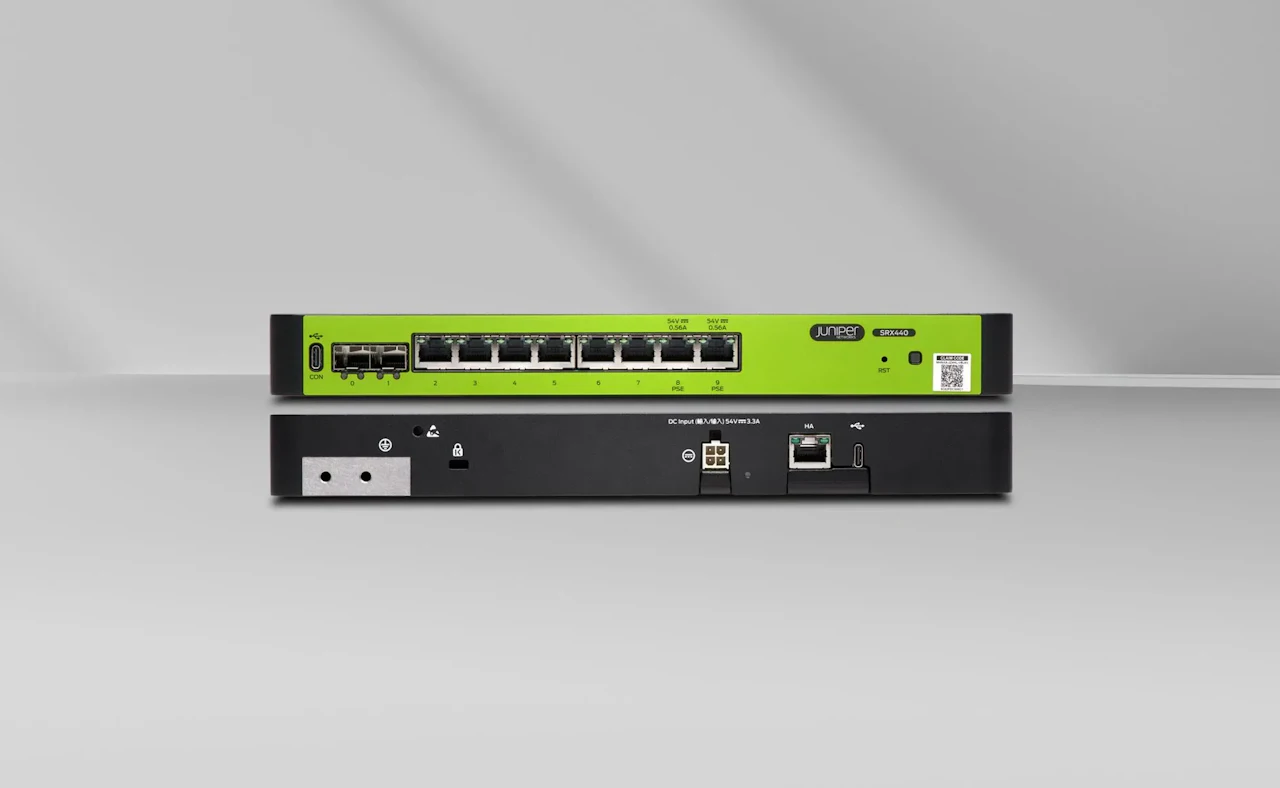
A Hardware Security Module is a dedicated, certified physical device designed for one purpose: generating, storing, and performing cryptographic operations with keys that never leave the hardware boundary.
Unlike software keystores, HSMs are built to resist physical and logical attacks — with tamper detection, active zeroisation of keys if tampering is detected, and FIPS 140 or Common Criteria certification as independent validation of their security claims.
Keys never leave the hardware
- Cryptographic operations happen inside the HSM — the key itself is never exposed to software, even during use.
Tamper detection & response
- Physical attack attempts trigger automatic key destruction — protecting keys even against sophisticated physical adversaries.
FIPS 140-2/3 certified
- Independent validation that the hardware meets the US federal standard for cryptographic modules — required by many regulated industries and compliance frameworks.
Role-based access control
- Strict separation of duties within the HSM — operators, administrators, and auditors each have defined, limited roles that prevent any single person from compromising the device.
Three ways to engage
From selecting the right HSM solution through to ongoing managed operations — we support every phase.


Professional services
HSM deployment, integration, and key ceremony execution — connecting hardware to your PKI, applications, and key management workflows with rigorous security procedures throughout.

Managed services
Ongoing HSM operations — health monitoring, firmware management, key ceremony support, and capacity planning — so your cryptographic infrastructure runs reliably without dedicated in-house expertise.

Consulting services
HSM strategy, architecture design, and use case assessment. We help you understand where HSMs add genuine value and design an integration architecture that works for your environment.
What sets our HSM practice apart
End-to-end cryptographic expertise
- Our HSM practice is built on genuine cryptographic depth — architects who understand key ceremonies, FIPS validation, and the operational realities of running hardware in production environments.
Integrated with PKI and CLM
- HSMs work best as part of a coherent cryptographic infrastructure. We design HSM deployments that integrate with your PKI and CLM from the outset — not as an afterthought.
Sovereignty and compliance first
- We help organisations maintain genuine control over their cryptographic keys — including in cloud environments where sovereignty requires careful architecture to achieve.
Post-quantum ready
- Leading HSM platforms are beginning to support post-quantum algorithms. We help you select hardware that will support your PQC migration — and design key management architectures with that transition in mind.

PKI, CLM, and HSM — the complete cryptographic foundation.
HSMs protect the keys. PKI issues the certificates those keys underpin. CLM tracks and manages every certificate across your estate. Together, the three form an integrated cryptographic infrastructure that provides genuine, end-to-end data security.
Are your most critical keys truly protected?
Talk to our HSM specialists about your current key management approach — and where hardware-grade protection would make the biggest difference.